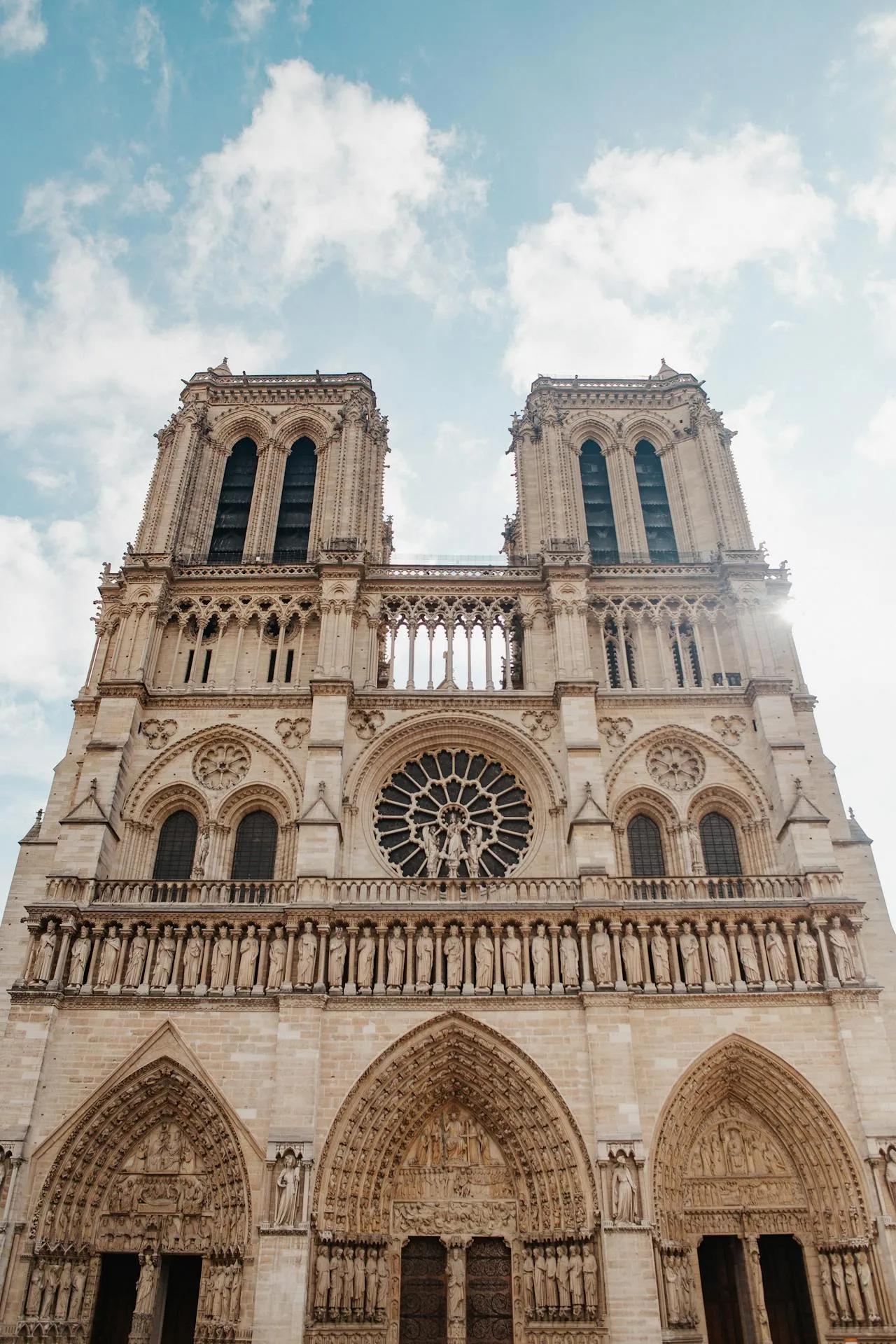
The Latin Quarter is one of Paris’s oldest and most vibrant neighborhoods, a living tapestry of history, academia, and bohemian spirit. Nestled on the Left Bank of the Seine, just across from Notre-Dame, it has been the intellectual heart of Paris for centuries. The quarter owes its name to the medieval students and scholars of the Sorbonne, who spoke Latin in their daily debates and lectures. Today, those echoes of the past still resonate in its cobbled streets, ancient churches, and lively cafés.



The story of the Latin Quarter begins in Roman times, when Paris was known as Lutetia. Remnants of this era, such as the Arènes de Lutèce amphitheater and fragments of ancient baths, remain hidden in its narrow lanes. During the Middle Ages, the quarter blossomed as the home of the University of Paris, one of Europe’s first great centers of learning. Philosophers, theologians, and poets walked these very streets, shaping the intellectual movements that defined Europe.
Over the centuries, the Latin Quarter became a magnet for revolutionaries, artists, and free thinkers. From student uprisings in the 13th century to the protests of May 1968, the district has always carried the energy of rebellion and change. Writers like Hemingway, Joyce, and Sartre once lingered in its cafés, while bookstalls and publishing houses lined the Seine, feeding the city’s literary soul. Even today, the area remains a crossroads of cultures, where history blends seamlessly with the buzzing nightlife of students and travelers.
Architecturally, the quarter is a patchwork of eras. Medieval alleys like Rue Mouffetard wind past Gothic treasures such as Saint-Étienne-du-Mont, while the neoclassical Panthéon stands proudly on the hill of Sainte-Geneviève, housing the tombs of France’s greatest minds — Voltaire, Rousseau, Hugo, Curie, and more. Around every corner lies a story: a historic library, a hidden Roman ruin, or a café where revolutions were once whispered over coffee.
Today, the Latin Quarter is both ancient and modern, intellectual and playful. By day, visitors stroll its bookshops and monuments; by night, its jazz clubs, bars, and restaurants come alive. It is not simply a neighborhood — it is the essence of Paris’s soul, a district where the past and present exist side by side, still alive with curiosity, debate, and inspiration.
Why You Should Visit
- To walk through Paris’s most historic and atmospheric streets.
- To experience centuries of student and intellectual life around the Sorbonne.
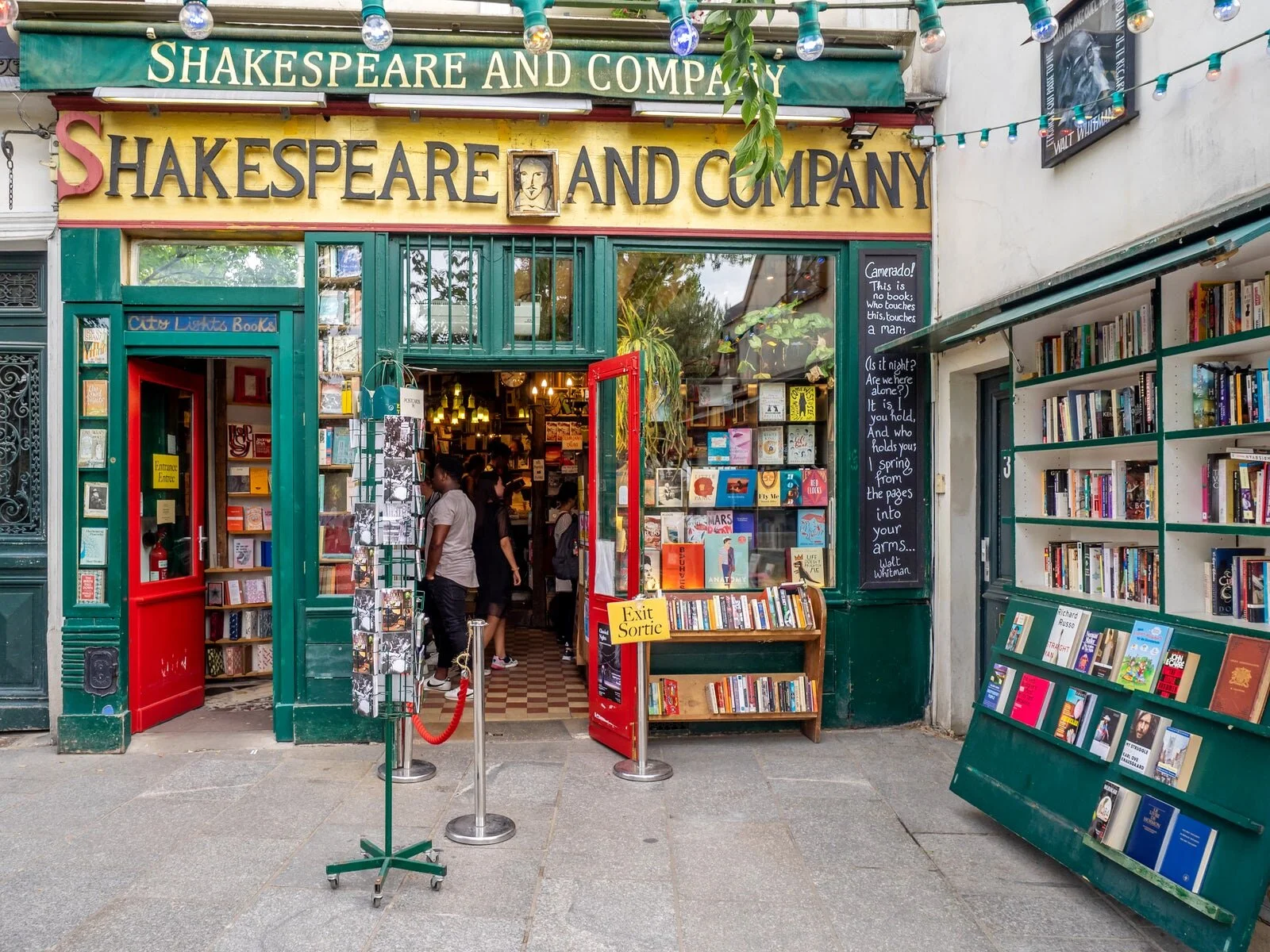
- To visit landmarks like the Panthéon and Shakespeare & Company.
- To feel the blend of medieval charm, literary tradition, and youthful energy.
Practical Information
Tickets & Entry
- Free to explore the district.
- Panthéon entry: €11.50 (free for EU residents under 26).
- Guided tours of the quarter: €15–30.
Opening Hours
- Streets and cafés: open daily, hours vary.
- Panthéon: 10:00 – 18:30 (until 18:00 in winter).
Best Time to Visit
- Morning: Quieter streets, perfect for photography and exploring.
- Afternoon: Vibrant atmosphere with bustling cafés.
- Evening: Student bars, live music, and a lively nightlife scene.
Getting There
- Metro: Cluny–La Sorbonne (Line 10), Odéon (Lines 4 & 10), Saint-Michel (Line 4, RER B & C).
- Bus: Routes 21, 27, 38, 85, 86.
- Walking: Cross Pont Saint-Michel from Notre-Dame Cathedral.
Insider Tips
- Explore Rue Mouffetard in the morning for its traditional open-air food market.
- Visit the Arènes de Lutèce — Roman ruins hidden in a quiet park.
- Stop by Shakespeare & Company, the world-famous English-language bookstore.
- Climb the Panthéon dome for panoramic views of Paris.
- Pause at a sidewalk café near Place de la Sorbonne to soak in the student vibe.
Quick Facts
- Origins: Roman-era Lutetia.
- Name: From the Latin spoken in medieval universities.
- Famous Landmarks: Sorbonne, Panthéon, Shakespeare & Company, Rue Mouffetard.
- Spirit: Intellectual, bohemian, lively, historic.
Final Thoughts
The Latin Quarter is not just a neighborhood but the living memory of Paris itself. It is a place where Roman ruins lie beneath Gothic arches, where revolutionaries once marched, and where students still fill the air with debate. To visit is to step into the pages of Paris’s history, surrounded by cafés, bookshops, and monuments that continue to inspire. Whether you come to admire its architecture, wander its streets, or simply absorb its timeless atmosphere, the Latin Quarter offers an unforgettable glimpse into the heart and soul of the city.