
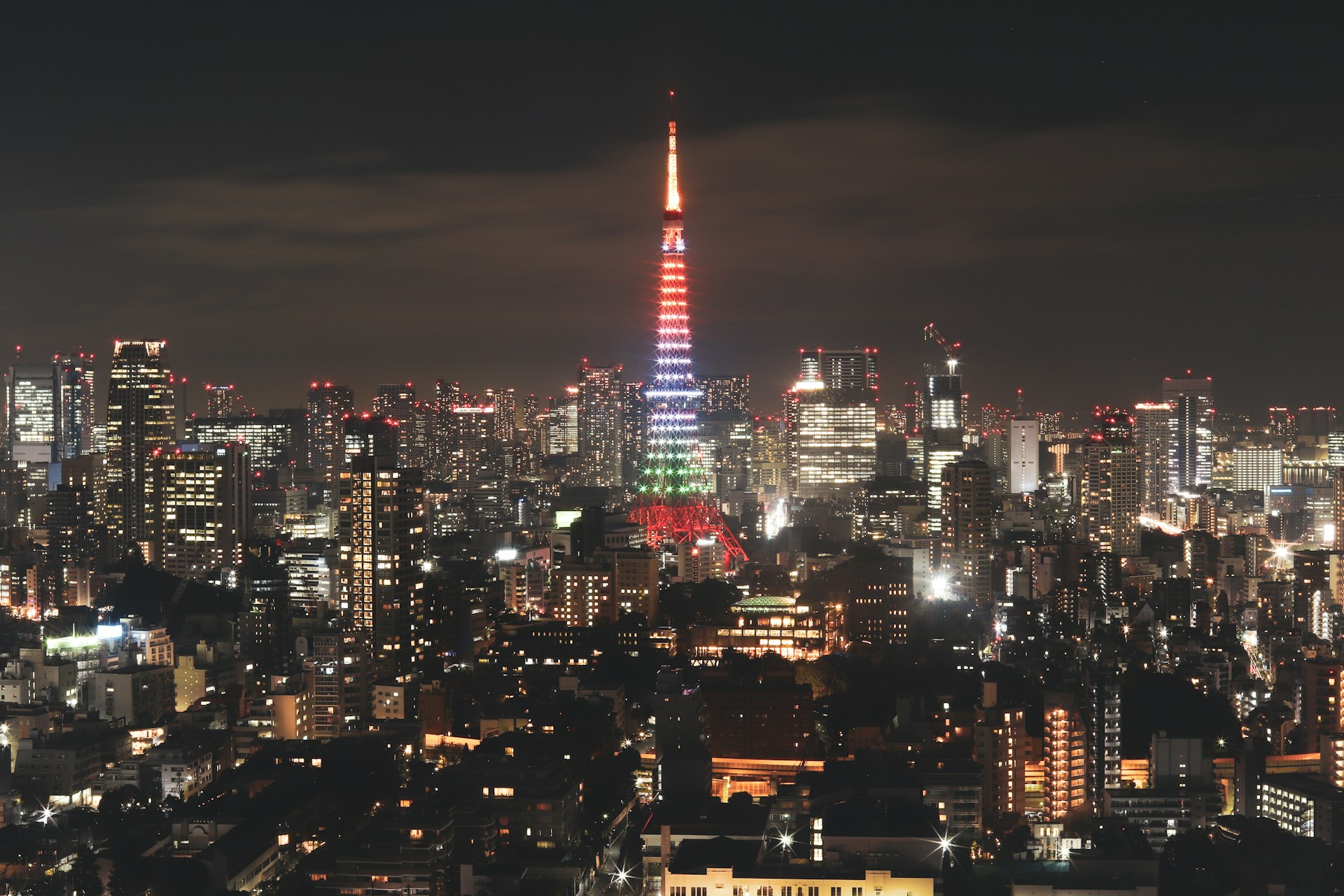
Tokyo’s New Year’s Eve is quiet and inward, replacing fireworks with ritual and reflection.
If you’re expecting fireworks, countdowns, and street parties, Tokyo on New Year’s Eve might feel confusing at first.
There’s no spectacle.
No collective shouting at midnight.
No pressure to celebrate loudly.
Instead, the city slows down.
The Streets Don’t Perform
Tokyo doesn’t turn New Year into a show.
Restaurants close early. Neighborhoods empty out. Trains run, but without urgency. People move with purpose, not excitement. The night feels deliberate.
This isn’t a party meant to be witnessed. It’s a moment meant to be observed.
Midnight Is Personal, Not Public
As the year turns, most of the city is indoors — at home, with family, or quietly heading toward temples.
The focus isn’t on counting down. It’s on resetting. Letting the year end without noise. Allowing the next one to begin cleanly.
It’s a kind of discipline rarely associated with celebration.
Temples Replace Fireworks
Instead of fireworks, bells ring.
Instead of cheering crowds, there are lines — patient, calm, respectful. People wait their turn, hands together, intentions private.
The city doesn’t explode into celebration.
It folds inward.
Why Travelers Remember This Night
For visitors used to high-energy New Year celebrations, Tokyo feels almost unsettling.
And then, slowly, it makes sense.
The absence of spectacle creates space. You remember details. Sounds. Movements. The feeling of standing in a massive city that chooses restraint over noise.
A Different Definition of Celebration
Tokyo doesn’t celebrate the New Year by marking a moment.
It celebrates by changing pace.
That shift — subtle, controlled, intentional — is what stays with you long after the calendar moves on.

.jpg)