A Panama Canal cruise feels less like a vacation and more like a lesson in geography, engineering, and how the world truly moves.
Most cruises promise escape.
Passing through the Panama Canal offers something different: understanding.
This isn’t a route you forget once you disembark. It stays with you because it explains how the world actually moves.
The Moment the Ship Slows Down
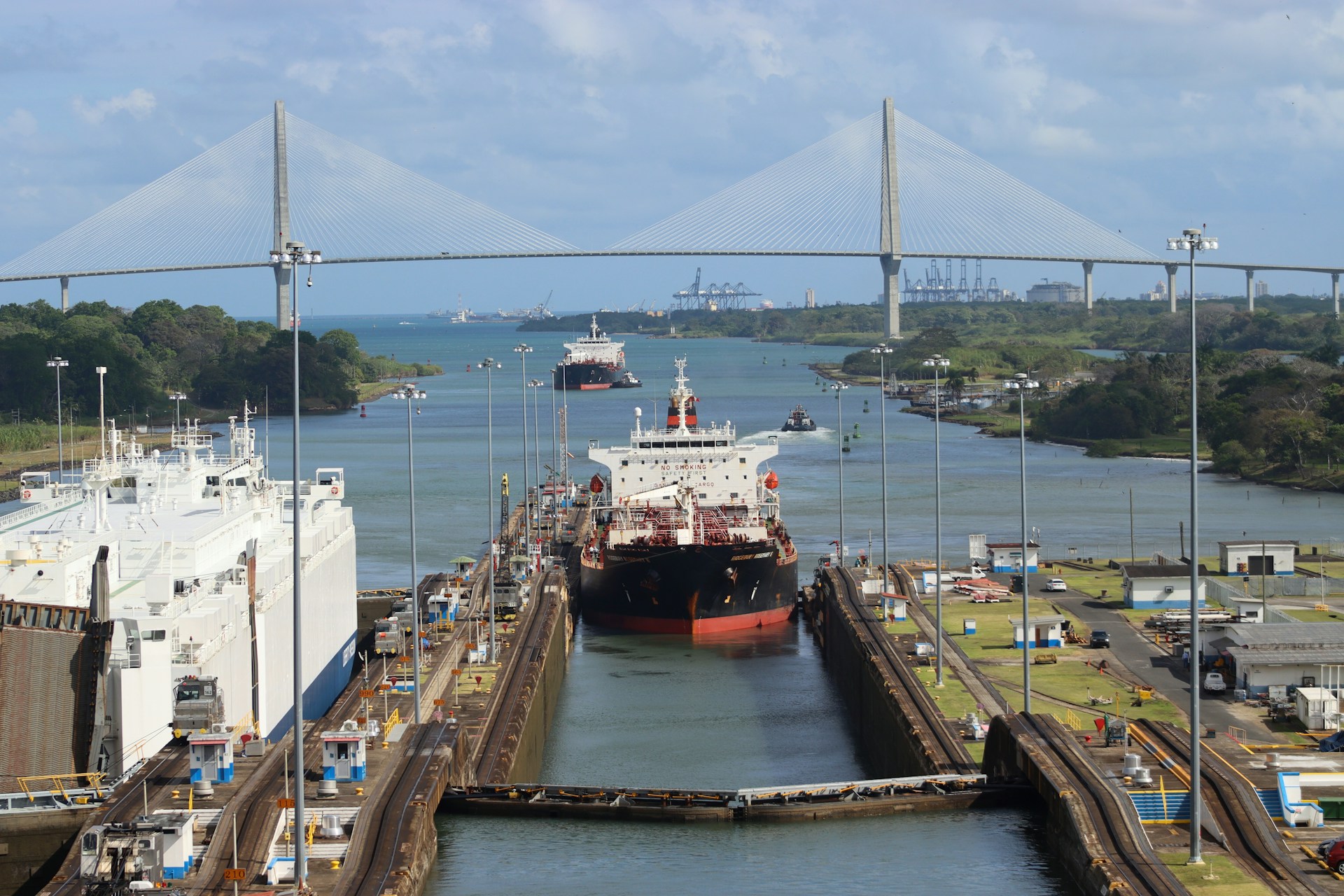
As the ship approaches the locks, everything changes. Engines soften. The horizon tightens. You’re no longer drifting across open water—you’re entering a system.
Walls rise on both sides. Water levels shift beneath your feet. Progress happens in deliberate steps. It’s quiet enough to hear ropes tighten and gates seal.
Vacation energy fades. Attention sharpens.
Infrastructure Becomes the Experience
Most travelers think of infrastructure as background. Here, it’s the main event.
You watch a vessel the size of a small city lifted, lowered, and guided with precision. There’s no spectacle layered on top—no show, no music. Just engineering doing exactly what it was designed to do.
It’s strangely absorbing. And unexpectedly humbling.
Geography Turns Three-Dimensional
Maps flatten the world. The canal restores its depth.
You see how oceans connect, how lakes sit above sea level, how continents were forced to cooperate with gravity and water. The journey isn’t long, but it recalibrates scale. Distance feels earned. Movement feels intentional.
For a few hours, travel stops being leisure and becomes perspective.
Time Works Differently Here
There’s no rushing through the canal.
Waiting is part of the process. So is repetition. Ships line up. Locks fill and empty. Progress happens at the pace the system allows.
That enforced slowness does something rare: it pulls everyone out of distraction. Phones come down. Conversations shift. People watch—not because they’re told to, but because there’s nothing else to do.
A Cruise Without the Usual Cruise Energy
This is why the Panama Canal attracts travelers who aren’t typically drawn to cruises.
There’s no party atmosphere during transit. No sense of performance. The experience feels observational, almost academic—but never dull.
You’re not being entertained. You’re being shown how the world functions.
When Travel Teaches Instead of Distracts
Later, when the ship returns to open water, the feeling lingers.
Ports, cities, and shore excursions follow—but the canal reframes them. You understand how goods arrive, why routes matter, and how much coordination hides behind everyday movement.
Few travel experiences do that without trying.
A Different Reason to Choose a Cruise
People often choose cruises for simplicity. The Panama Canal adds meaning.
It proves that travel doesn’t have to shout to be memorable. Sometimes it just has to explain something clearly, once.
And once you’ve passed through, the world feels slightly more connected than it did before.

.jpg)