

Canal Saint-Martin
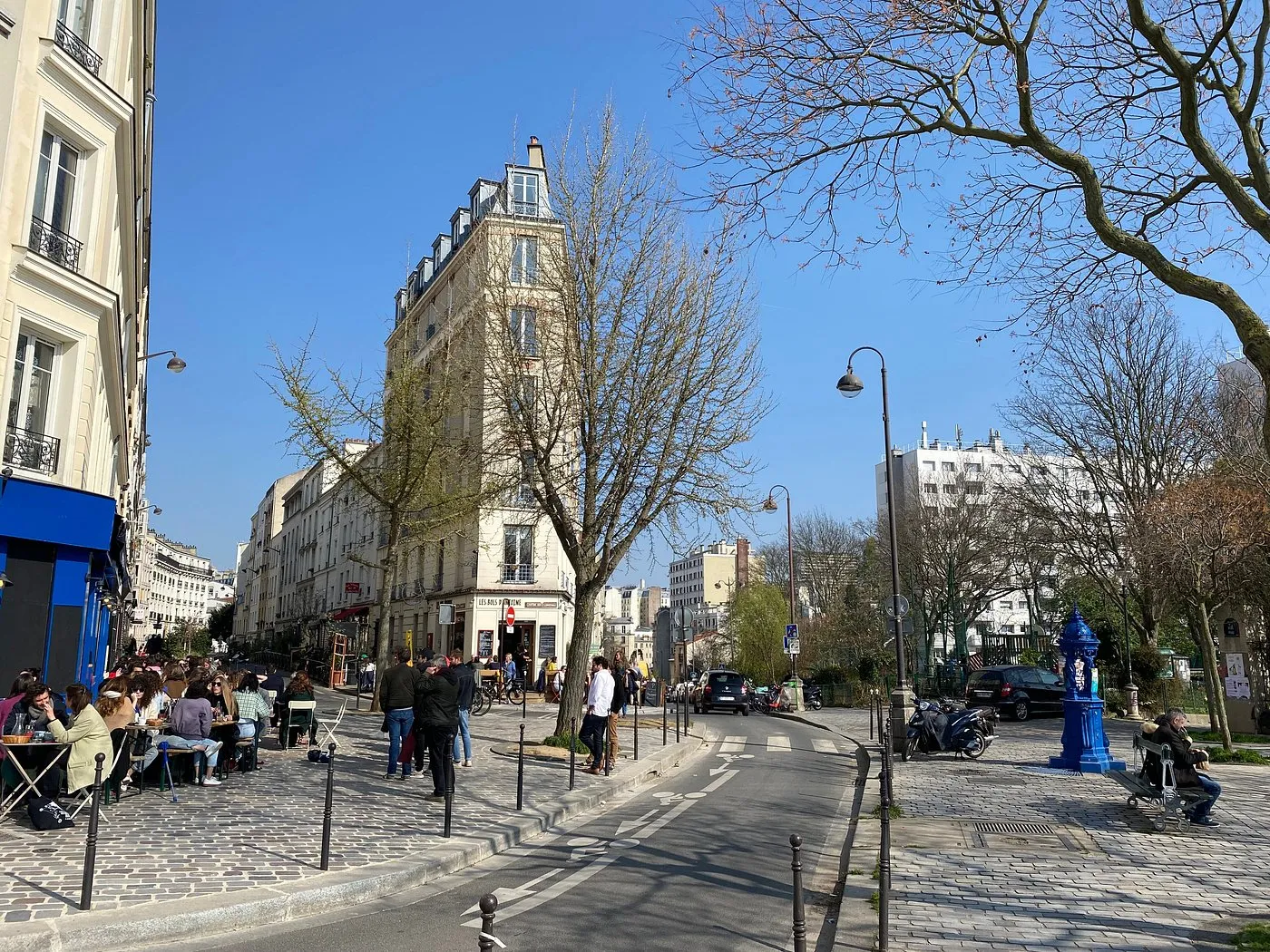
The Canal Saint-Martin is one of Paris’s most atmospheric waterways, a tree-lined canal stretching 4.5 kilometers through the city’s 10th and 11th arrondissements. Once an industrial waterway built to supply fresh drinking water to Parisians, it has transformed into a trendy, bohemian quarter beloved for its iron footbridges, lock systems, waterside cafés, and relaxed charm. Far from the grand boulevards, the canal offers a glimpse of Paris at its most authentic — creative, youthful, and laid-back.
Commissioned by Napoleon I in 1802, the canal was designed to bring clean water into Paris and to improve navigation for transporting goods. Completed in 1825, it was a lifeline for the city’s industry, lined with warehouses, factories, and working-class neighborhoods. Barges still pass through its series of locks and swing bridges, watched by curious onlookers who gather on the quaysides to see the engineering in action.
For decades, the canal was hidden beneath iron covers to ease traffic congestion above, but in the 1960s, sections were restored to daylight. In the late 20th century, as industries moved away, the canal underwent a renaissance — artists, writers, and students were drawn to its calm waters and affordable rents. Today, the Canal Saint-Martin has become one of Paris’s most beloved leisure districts, balancing its industrial heritage with a modern creative spirit.
Its cast-iron pedestrian bridges and tree-lined quays have inspired filmmakers and writers alike. Perhaps most famously, the canal was featured in Amélie (2001), when the heroine skips stones across its waters. Locals come here for picnics, wine, and conversation, while visitors find a Paris less polished than the Champs-Élysées but no less magical. The atmosphere is relaxed and intimate, with independent boutiques, vintage shops, and trendy bars lining its edges.
By day, the canal is perfect for strolling under the leafy plane trees, browsing bookshops, or sipping coffee at a terrace. By night, it becomes a lively gathering spot for young Parisians, with music, laughter, and street food filling the air. For those who want to explore further, boat tours run along the canal, passing through its locks and tunnels before eventually joining the Seine.
Why You Should Visit
- To stroll along Paris’s most picturesque canal, with leafy quays and footbridges.
- To experience a trendy, bohemian atmosphere filled with cafés, bars, and boutiques.
- To see the working locks and swing bridges in action.
- To enjoy a more local side of Paris, away from the busiest tourist areas.
Practical Information
Tickets & Entry
- Walking the quays: free.
- Canal boat cruises: €15–20.
- Bicycle rentals available along the canal.
Opening Hours
- Accessible 24/7 for walking.
- Boat tours: generally 9:30 – 18:00 (spring–autumn).
Best Time to Visit
- Afternoon: Relaxed, perfect for strolling or café-hopping.
- Evening: Lively, especially in summer when locals picnic along the quays.
- Spring & Summer: Best weather for sitting by the water.
- Autumn: Golden leaves add to the canal’s romantic atmosphere.
Getting There
- Metro: République (Lines 3, 5, 8, 9, 11), Jacques Bonsergent (Line 5), or Goncourt (Line 11).
- Bus: Several routes run along Boulevard Jules Ferry and Quai de Valmy.
- Walking: About 15 minutes from Gare de l’Est.
Insider Tips
- Bring a picnic and join locals along the quays in the evening.
- Look for filming spots from Amélie around the canal.
- Visit Point Ephémère, a cultural hub with exhibitions, concerts, and a rooftop terrace.
- Take a canal cruise to experience passing through locks and under hidden tunnels.
- Combine with a visit to Parc des Buttes-Chaumont, a short walk away.
Quick Facts
- Length: 4.5 km (with locks and swing bridges).
- Construction: Began 1802, opened 1825.
- Purpose: Built to supply drinking water and aid commerce.
- Famous For: Cast-iron bridges, leafy quays, Amélie film scenes.
- Atmosphere: Trendy, bohemian, relaxed.
Final Thoughts
The Canal Saint-Martin is one of Paris’s most charming escapes — a place where history and modern life flow side by side. Once a working canal that sustained the city, it is now a hub of creativity and leisure, offering both locals and visitors a slower, more intimate Paris. Whether you’re skipping stones like Amélie, sipping wine on the quay, or cruising through its locks, the canal offers a magical perspective on the city — romantic, youthful, and endlessly Parisian.