
Winter in Iceland isn’t about northern lights alone. It’s about timing, flexibility, and learning to travel with the rhythm of the season.
Most people arrive in Iceland in winter chasing one thing: the northern lights.
They plan the trip around forecasts, apps, and long nights, convinced that if they just stay long enough, the sky will reward them. Sometimes it does. Often, it doesn’t. And that’s where frustration usually begins.
The truth is simpler—and more uncomfortable: winter in Iceland has very little patience for rigid plans. The people who enjoy it most aren’t the ones who schedule everything. They’re the ones who understand timing.
Winter Days Are Short — And That Changes Everything
In December and January, daylight is brief and precious. You don’t “fit things in” the way you would in summer. You choose carefully.
A single plan in the middle of the day often replaces three rushed stops. Roads look different in low light. Landscapes feel heavier, quieter. The country asks you to slow down whether you want to or not.
Travelers who struggle are usually fighting this rhythm instead of working with it.
Weather Isn’t a Problem — It’s the Deciding Factor
In Icelandic winter, weather isn’t background noise. It’s the main character.
Wind can shut down roads without warning. Snowstorms rewrite itineraries. Clear skies can arrive hours after you gave up hope. This isn’t bad luck—it’s normal.
The mistake is treating winter travel here like a checklist. The smarter approach is building buffers into every day. Fewer drives. Flexible routes. Backup plans that don’t depend on perfect conditions.
Those who do this don’t feel like plans were “ruined.” They feel like they adapted.
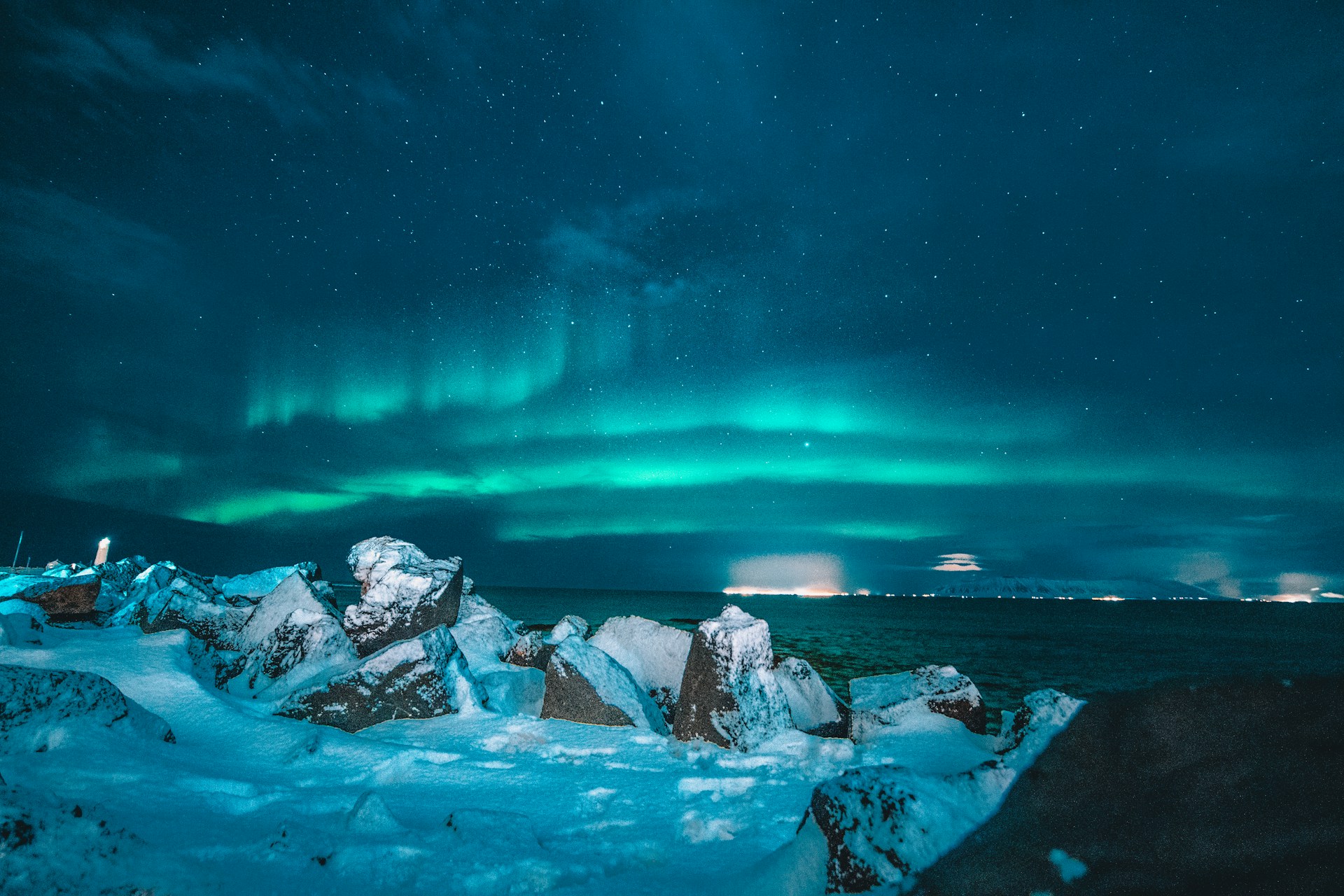
Northern Lights Are a Bonus, Not the Goal
Ironically, people who stop obsessing over the aurora are the ones who end up seeing it.
When your trip isn’t built entirely around chasing lights, every clear night becomes a gift instead of a test. You step outside because the sky looks interesting, not because an app told you to.
Winter Iceland rewards curiosity more than control.
The Real Magic Happens Between Highlights
Some of the most memorable winter moments in Iceland aren’t dramatic at all:
- driving through an empty stretch of road as snow starts to fall
- standing alone at a waterfall with no one else around
- soaking in warm water while cold air moves overhead
These moments don’t show up on itineraries. They appear when your schedule has room to breathe.
Timing Is More Important Than Distance
Many winter travelers overestimate how much ground they can cover.
Short daylight, icy roads, and unpredictable conditions mean that even small distances take longer than expected. Locals understand this instinctively. Visitors often learn it the hard way.
The better question isn’t “How far can we go?”
It’s “How far do we need to go to feel something?”
Often, the answer is closer than you think.
Winter Reveals a Quieter Iceland
Summer shows Iceland at full volume. Winter turns the volume down.
Places that feel busy in peak season become introspective. Towns feel more lived-in. Landscapes feel less performative and more real. You’re not sharing the experience with crowds—you’re sharing it with the environment itself.
That’s why winter travelers often speak about Iceland differently. Less hype. More respect.
Iceland in Winter Rewards the Patient
This isn’t a destination for travelers who need everything to go exactly as planned. It’s for those who are comfortable letting the day unfold.
If you arrive expecting perfect light, perfect weather, and perfect timing, you’ll leave disappointed. If you arrive expecting to adapt, observe, and slow down, winter Iceland will meet you halfway.
And sometimes, when the timing finally aligns, the sky lights up—quietly, unexpectedly—like it was never the point at all.

.jpg)